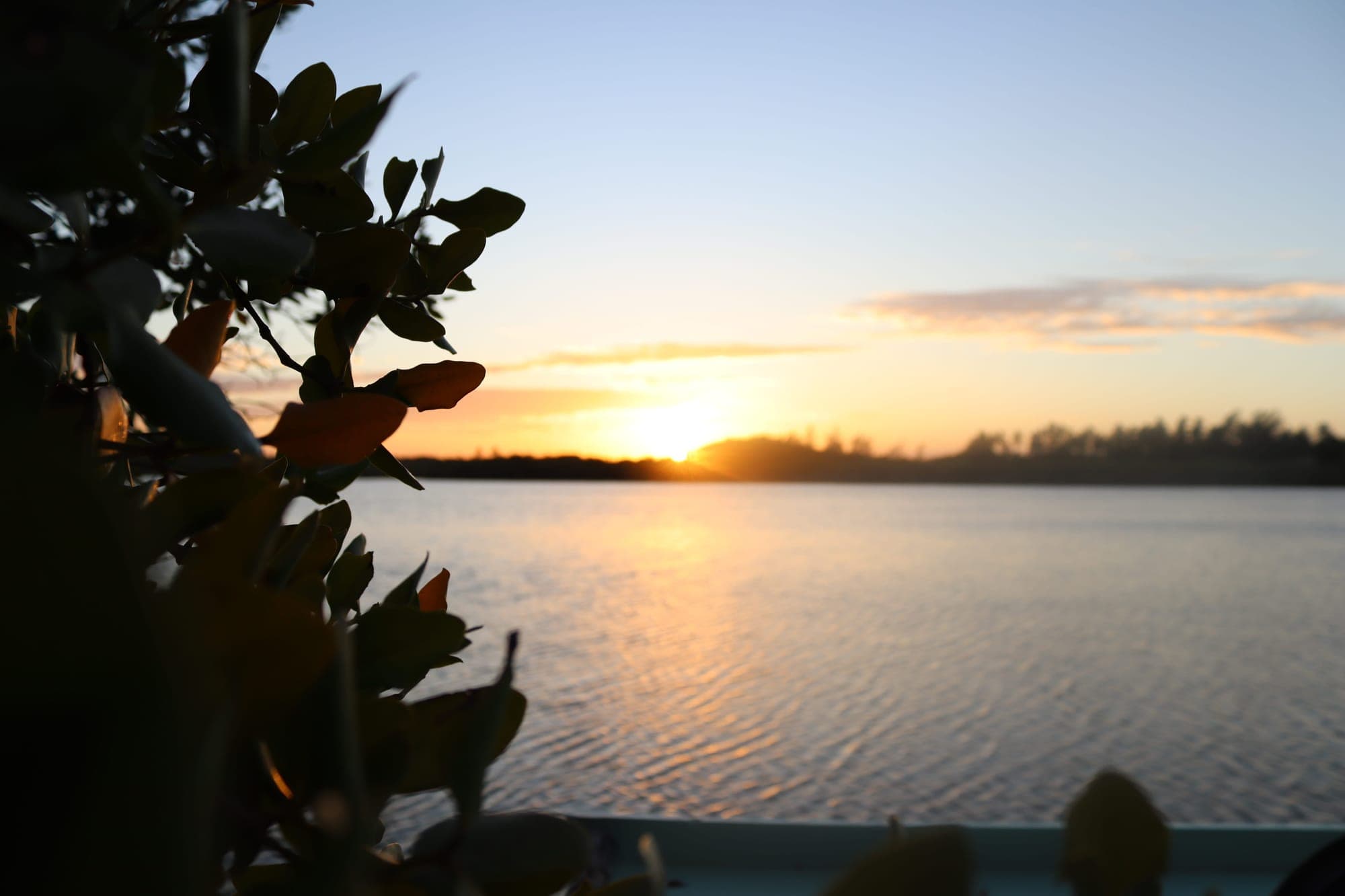
Born from the Creek, Built by the Community
Prawns Lake Conservation Project was founded in 2008 by 68 Dabaso residents who had watched the Mida Creek mangrove forest decline for years. Destruction of mangroves for firewood and timber, declining fish catches, growing coastal pollution, and a booming tourism industry that brought little benefit to local people these pressures pushed the community to act.
The founding group brought together artisanal fishers who depended on the creek, women traders, families living alongside the forest, and small-scale entrepreneurs. Their shared diagnosis was clear: the mangroves had sustained this community for generations, and their destruction threatened everything fish stocks, water quality, storm protection, and livelihoods.
The answer came through needs assessments and partnerships: nature-based income generating activities, the Prawns Lake. Today, Prawns Lake Conservation Project is a legally registered Community-Based Organization (CBO) with 30 active members, governed by an elected committee, and running six interconnected initiatives that prove conservation and community prosperity can grow together.
Mission & Vision
Our Mission
To restore and protect Watamu's coastal ecosystems through community-led conservation, sustainable livelihoods, and meaningful eco-tourism experiences that benefit local people directly.
Our Vision
A Watamu where healthy mangroves, thriving fisheries, and prosperous communities are inseparable and where Prawns Lake stands as a replicable model for blue economy development across Kenya's coast.
Our Core Values
Nature First
Every decision starts with what is best for the ecosystem. The mangroves, the creek, and the wildlife are our first stakeholders.
Community Led
Local people are not participants they are leaders. Conservation must be owned and directed by the community it serves.
Integrity & Transparency
We openly share our impact, challenges, and progress. Trust is earned through honesty, not just results.
Learning & Innovation
We welcome researchers, students, and new ideas. Prawns Lake is a living laboratory for coastal conservation in Kenya.
Conservation in Numbers
Every visitor and supporter directly contributes to measurable change in Watamu's coastal ecosystem
Updated May 2026 · Figures based on community records and partner monitoring
Six Initiatives, One Mission
Prawns Lake runs six nature-based activities that are inseparable — conservation finances livelihoods, and livelihoods finance conservation
Beach & Creek Cleaning
One of the group's founding actions. Community members regularly clean Watamu's beaches and the Mida Creek shoreline, removing debris and plastics that threaten marine life. Over 120 community-led cleanups have been conducted to date.
Mangrove Tree Nursery
The heart of the restoration work. Community members propagate and raise mangrove seedlings in the nursery before transplanting them to degraded areas of the creek. Over 52,000 seedlings have been planted, reclaiming forest that once sustained fish, birds, and livelihoods.
Education & Research
Prawns Lake has been hosting field station for schools, universities, and research institutions from across Kenya and beyond. Focus areas include mangrove ecology, marine biodiversity monitoring, blue carbon, community-based conservation, and sustainable livelihoods.
Restaurant & Bar
The restaurant grew out of the community's need to host the growing number of visitors who came to see the conservation work. It serves fresh, sustainably sourced coastal cuisine prawns, lobster, and local seafood with every meal directly supporting local fishers and restoration activities.
Kayaking
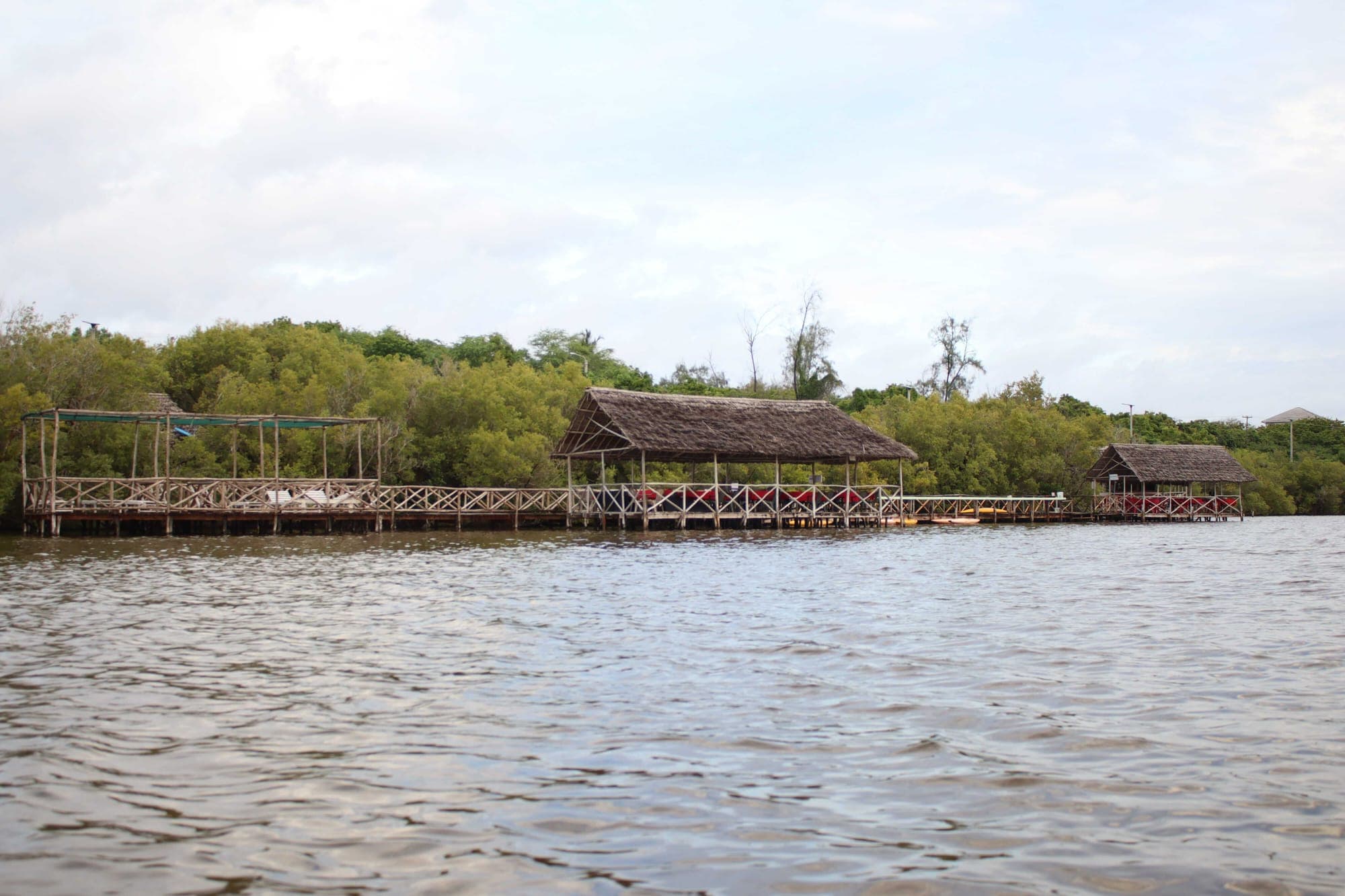
Kayak tours at dawn or dusk take visitors around the lake into the restored mangrove areas of Mida Creek. Local guides narrate the ecosystem's recovery story how the forest was lost, how the community fought to bring it back, and what still remains at risk.
Eco-Friendly Accommodation
Guests can stay overnight at Prawns Lake in eco-friendly accommodation overlooking the creek. Staying here means your visit directly funds the next seedling planted, the next cleanup organized, and the next local family supported by conservation work.
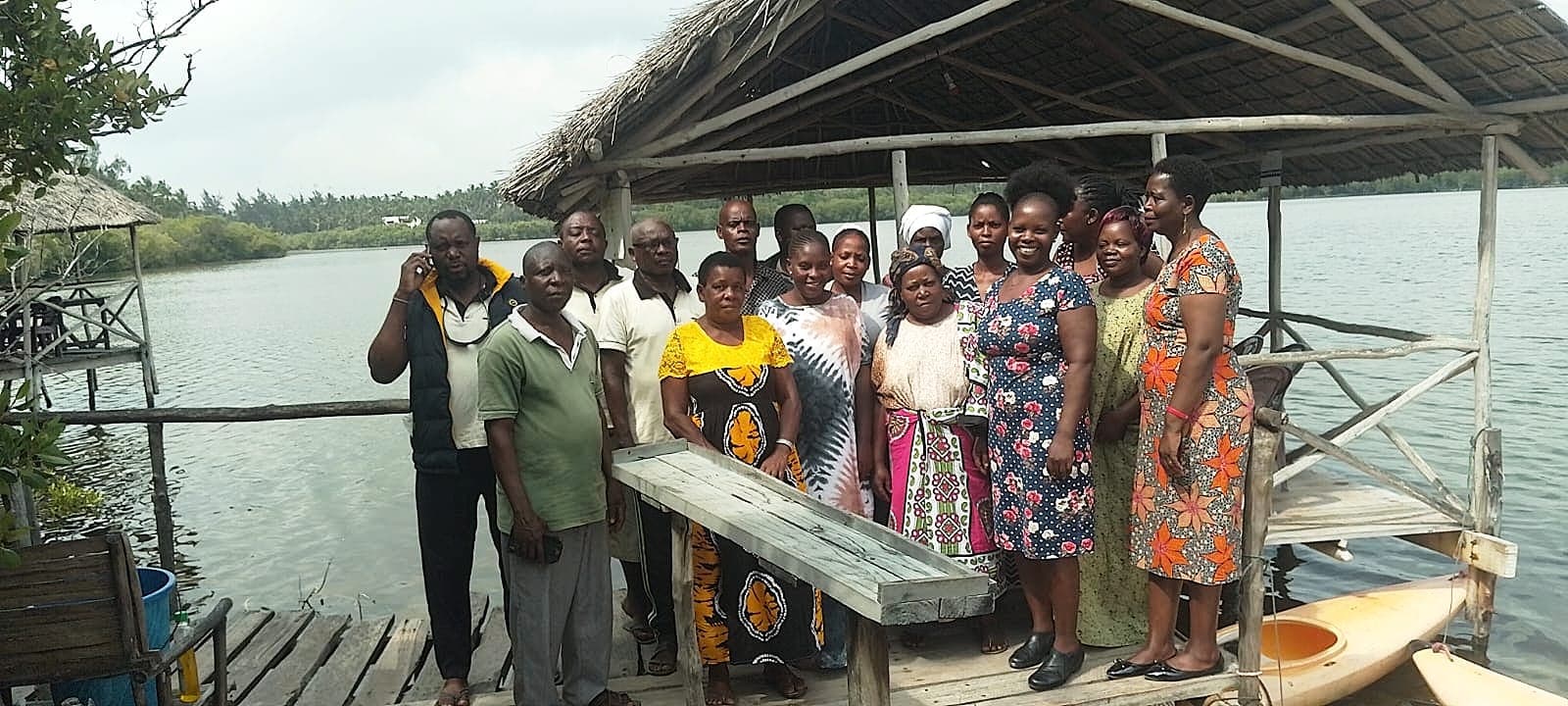
30 Members. One Creek. A Shared Future.
Prawns Lake Conservation Project is governed by an elected committee and today has 30 active members though more have passed through over the years, as is the nature of any community-driven movement. Some came and went; those who stayed did so because they believe in the work.
The team includes nursery technicians who raise seedlings by hand, eco-guides who paddle visitors through restored mangrove channels, hospitality staff who run the restaurant and accommodation, and conservation monitors who track the creek's recovery over time.
We also welcome researchers, interns, and volunteers from Kenyan universities and international institutions bringing expertise and fresh perspectives to a community that has always believed that learning and conservation go hand in hand.
Trusted Collaborative Network
Working together with leading organizations to restore mangroves and empower communities.





Be Part of Our Story
Visit us, volunteer, donate, or partner every action helps restore Watamu's mangroves and sustain the community that protects them.
Support Mangrove Restoration